by
by Christian community development is beautiful work. It is also costly work.
It asks us to pay attention to people and places others have overlooked. It calls us to listen deeply, build trust slowly, confront injustice honestly, and stay rooted when quick fixes would be easier. It invites us to join God’s work of restoration not merely as distant helpers but as neighbors and witnesses. Beautiful.
And yet, many of us know another side of the work, too. We know the pressure of underfunded ministries trying to meet overwhelming needs. We know the tension of wanting to be generous while wondering whether there will be enough: enough staff, enough money, enough time, enough strength to carry on. Costly.
I’ve witnessed this tension firsthand – in the nearly two decades I spent as a pastor, in the current work I do coaching pastors and congregations, in my service on non-profit boards, in my role at Everence. Through it all, I find myself wondering: Can we seek the well-being of our communities while also tending honestly to the well-being of the people and organizations doing the work?
I believe the answer has to be yes – not because we want an easier calling, but because the work is too important to be sustained by exhaustion alone.
The Danger of Depletion
In ministry, nonprofit leadership, and community development, depletion can sometimes be confused for devotion.
We work late because the need is real. We stretch budgets because the mission matters. We accept chronic stress because people are depending on us. We tell ourselves that sacrifice is simply part of faithfulness.
And sometimes it is. The way of Jesus does include sacrifice. Love is costly; justice requires courage.
But there is a difference between faithful sacrifice and ongoing depletion. Faithful sacrifice is rooted in love. Ongoing depletion is often rooted in fear, scarcity, or the belief that everything depends on us. It can slowly make us forget that we are creatures with limits.
Sabbath is one of God’s ways of telling the truth about us: we are not machines; we are not saviors. We are beloved people invited to participate in God’s redemptive work. That truth applies to our souls and bodies. It also applies to our organizations.
Organizational Well-being is Spiritual Work
It can feel awkward to talk about organizational well-being in Christian community development spaces. We would rather talk about mission, about justice, about discipleship and neighboring and transformation.
But budgets and benefits, debts and reserves, salaries and systems are not separate from mission. They are part of the conditions in which mission either becomes sustainable or becomes fragile.
An organization can have a beautiful vision and still be unhealthy. It can have passionate leaders and still be operating without margin. It can do meaningful work while still asking staff to carry unrealistic or unfair financial and emotional strain.
This is not just a technical problem. It is a discipleship question.
What do our financial practices say about what we believe?
- Do they reflect dignity for staff?
- Do they make room for rest?
- Do they tell the truth about cost?
- Do they help the work endure?
- Do they form us in trust or anxiety?
Organizational well-being is not about becoming polished, wealthy, or risk-averse. It is about building the kind of structure that can hold faithful work over time.
Listening as a Practice of Stewardship
One grounding practice I keep returning to is listening.
In community development, listening is essential. We listen to neighbors before designing programs. We listen to the history of a place before assuming we understand its present. We listen for gifts already active among the community.
But we also need to listen to the financial realities of the people doing this work.
- What are practitioners carrying personally?
- What are leaders afraid to admit?
- Where are organizations strong, and where are they vulnerable?
- What kinds of support would actually help?
Listening does not solve everything. But it resists the temptation to prescribe answers before we have heard the truth. And it honors the people in the work. When we listen carefully, we are saying: your experience matters; your limits matter; your organization’s sustainability matters.
That’s why CCDA and Everence® are partnering together. This partnership will begin with a survey aimed at helping those of us doing community development work better understand our own financial wellness and that of our organizations. Add your experiences and insights through the survey, so we can include your unique experiences and perspectives.
A Wider Vision of Shalom
The biblical vision of peace is not thin. Shalom is wholeness. It touches households, neighborhoods, bodies, systems, and economies.
If that is true, then personal and organizational well-being belong inside our imagination for faithful community development.
This allows us to ask hard questions without shame. The questions above may not be easy to answer, but they are essential to ask, precisely because of our commitment to justice. They remind us that God’s restoration is not only for the people we serve, but also for the people who serve.
Holy work needs whole people and healthy organizations. And by God’s grace, tending to that well-being can become part of our witness.
Closing Prayer
God of justice, mercy, and faithfulness,
Root us deeply in your love. Give us courage for the work before us and humility to remember that the work belongs to you. Teach us to honor our limits, to tell the truth, to listen well, to build wisely.
Strengthen our communities, our organizations, our households, and our hearts. May our labor be faithful, our leadership be whole, and our witness point toward the fullness of your shalom.
Amen.
About Joshua Meyer
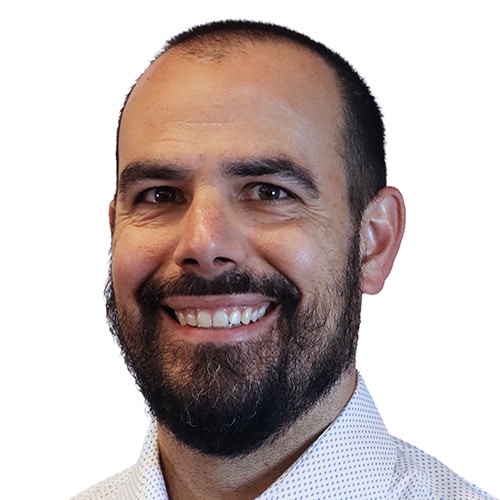
Joshua Meyer is a Financial Consultant at the Everence office in Souderton, Pennsylvania. He combines his deep faith background as a former pastor with his current role helping churches and individuals combine their faith with financial decisions. He also serves as Leadership Minister with the Mosaic Mennonite Conference, helping provide oversight to area congregations. He serves on the Board of Directors for Living Branches, a system of retirement living and affordable housing communities, and is the Vice-Chair of the Board for Dock Mennonite Academy.