by
by “Pursuing commitment over convenience, building bridges not just boundaries, and demonstrating tenacity in the face of relational challenges are countercultural preconditions for the life of togetherness Jesus invites us into.”
From The Way Back to One Another by Jeff Galley and Phillip Smith
We are living in difficult times. Our problems are both distant and near, and feel tangled in complexity, history, and division.
So where do we begin?
At the Chalmers Center, we believe the root of poverty is broken relationships: with God, self, others, and creation. And this brokenness touches all of us. Only when we recognize our own relational poverty can we begin the restorative work so desperately needed in our homes, communities, and our nation.
Yet, deep relationships are increasingly rare.
The Importance of Relationships
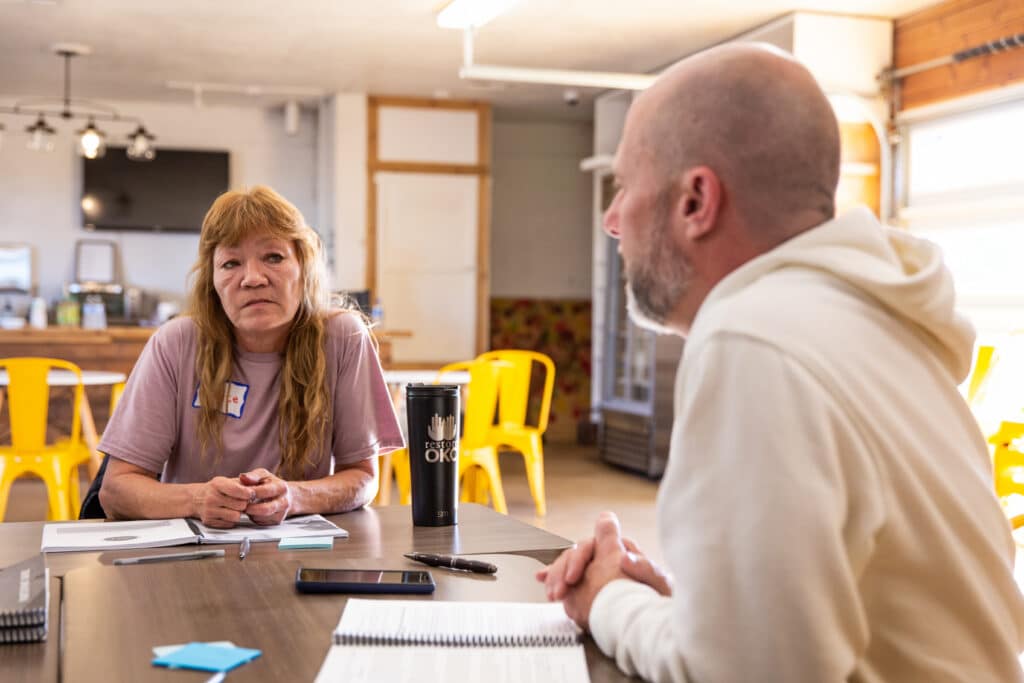
In 2023, then Surgeon General Vivek Murthy warned that loneliness and isolation were reaching dangerous levels. Approximately half of Americans report being lonely, lacking companionship, and feeling that no one knows them well. Even within the Church, Christians are often as lonely as their neighbors.
If the work of poverty alleviation hinges on the health of our relationships, what are we to do?
As a young man in my early twenties, I volunteered at the soup kitchen in downtown Memphis. I was raised a good Methodist and had what I would have called a heart for people who were poor. Practically, it meant pausing my academic schedule, gathering a group of friends, and driving downtown to dish out food to those who needed it. Important work to be sure, but I was missing the fullness of what that service could really mean. Week after week, I filled empty plates, but failed to see the emptiness in my own heart.
One afternoon, that started to change. After filling the plates with soup, sandwiches, and pastries, I was encouraged by a friend to take time to sit among those we served—to fellowship with those who sat around the table. It was uncomfortable at first, but as I finished my sandwich, a middle-aged man wearing a worn canvas baseball cap began to talk with me. To my surprise, we quickly connected over our shared love of music. After our meal, he approached me in the parking lot and asked for a ride to the library. As we drove, he amazed me with his knowledge of music, particularly the “Cosmic American Music” of Gram Parsons and Emmylou Harris. He gave me a masterclass in music history right there in the passenger seat, recommending a few albums as I dropped him off.
Immediately, I drove to the record store and purchased Gram Parsons’ album, Grievous Angel. That conversation changed my life. Not only did I have a deeper understanding of the music that shaped rock-and-roll pioneers like The Byrds and The Rolling Stones, but more importantly, I had a fuller understanding of how God can work through relationships in unexpected ways.
Change Within Relationships
Change is possible when people participate and relationships run deep. That is true of people in material poverty, and even of those who seem to be doing well financially. Last year, I was in Memphis and had the pleasure of meeting with Seth Harkins, the Executive Director of Alcy Ball Development Corporation, and his amazing team. Alcy Ball helps neighbors connect with each other through community events, financial courses, and homebuyer training. They come alongside local contractors to rehabilitate and build new homes, creating pathways to home ownership for program graduates.
They also make a lot of coffee.
And those cups of coffee make all the difference.
Meals together. Afternoons on the front porch. Conversations over a cup. These simple acts of togetherness can build trust and deepen relationships, creating platforms for real change. As Seth says, “We’ve learned a lot about how long the trust building process is, and how God models that faithfulness toward us. A little French Vanilla creamer doesn’t hurt either.”
As Alcy Ball demonstrates, we can change, and by taking the time to love our neighbors, each of us can begin to find a small foothold in the problems that challenge and divide us. Cultivating relationships with those whom we don’t normally identify as our neighbor may feel countercultural—even counterintuitive—but in God’s economy, the currency of restoration and change is through just these relationships.
What questions can we ask of ourselves as practitioners? If our focus is on reaching more people in pursuit of scale, are we encouraging meaningful participation? Does our striving for efficiency unintentionally compromise dignity? With the increasing pressure for more data and measurement, do we flatten the complexity of poverty and the lived reality of those we seek to serve?
In short, do our ministries create space for our partners, gift partners, boards, and co-workers to wrestle with these tensions?
Our Role in Restoration
In “One Hundred Years from Now”, a song introduced to me by my friend that day, Gram Parsons asks the question, “One hundred years from this day, will the people still feel this way? Still say the things that they’re saying right now?”
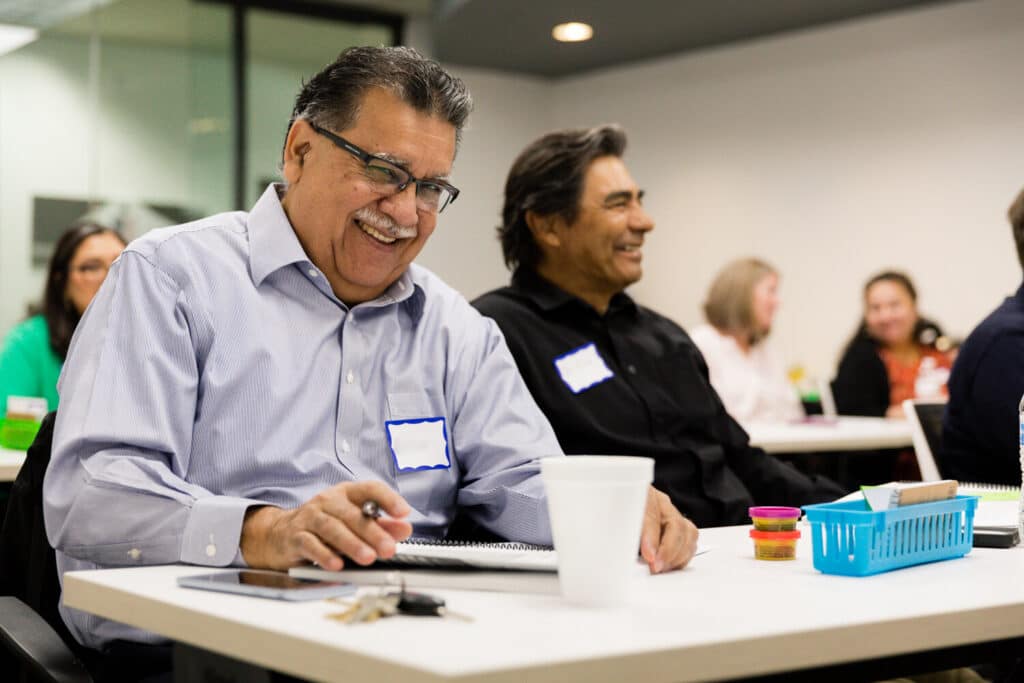
Not a hundred years from now, but today, each of us can make a small change in how we view our relationships; how we allow the image of God to filter through our work, our programs, our planning, and, yes, even our interactions with those with whom we don’t agree. Day by day, we can begin to shift the narrative, and that story can begin to change.
So, where to start?
One day, Jesus will come back and all things will be made new. Until then, let us pray for grace, so that our lives would point to God’s greater story, cultivating our hearts for meaningful relationships for those we meet on the street, in the checkout line, in our churches, and in the marketplace. Let us pray that we may become bearers of restoration, healing relationships one at a time through the grace and mercy of our Lord Jesus Christ.
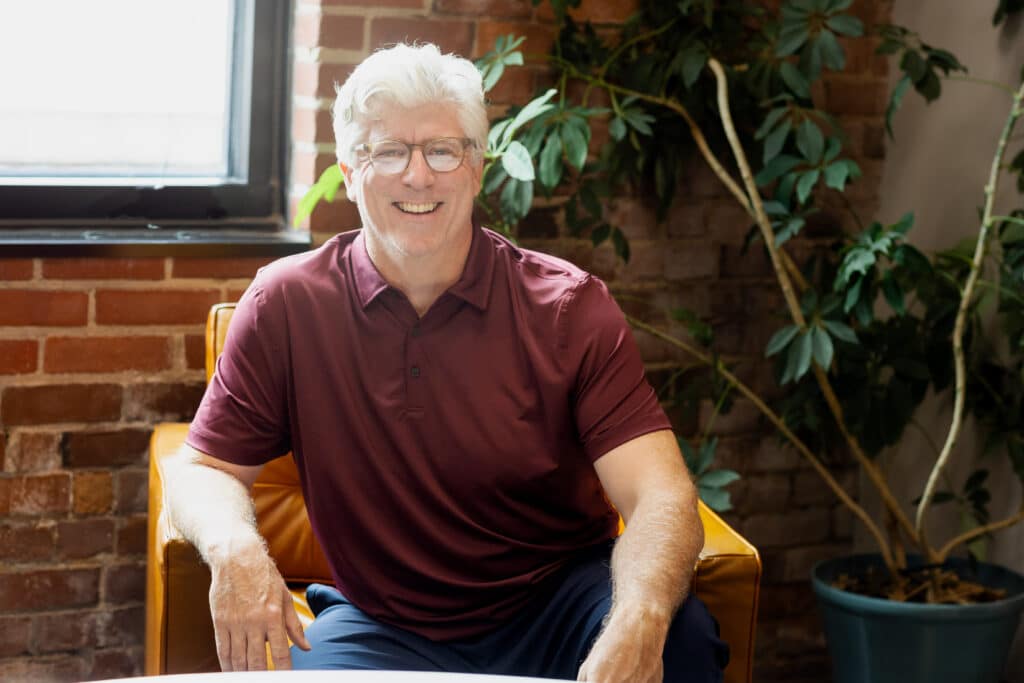
About Coy Buckley
Coy Buckley grew up in Mobile, Alabama and earned both his bachelor’s and master’s degrees from Rhodes College. He began his career with KPMG as a Certified Public Accountant, working in the United States and Europe before relocating to Tanzania, where he co-founded Equity for Africa Group, a pan-African leasing company expanding access to finance for small and medium enterprises, particularly in agricultural value chains.
After a decade building asset finance platforms in Tanzania, Coy now serves as President and CEO of Chalmers Center, where he leads Chalmers’ efforts to help God’s people rethink poverty and respond with practical biblical principles so that all are restored to flourishing.