by
by I spent about ten years of my life incarcerated. Not all at once, but in pieces: going in, getting out, and going right back in again. That cycle is something people like to talk about in statistics, but living it is different. It’s not just bad decisions or bad luck—it’s the way the system was intentionally built.
The first time I was locked up, I was young. When I came home, I thought I could start over. But starting over isn’t really how it works when you have a record. Every application, every background check, every “we’ll call you back” that never comes starts to wear on you. It didn’t take long before I ended up back inside. And for approximately 70% of people who have been incarcerated, that is a tale as old as time.
By the time I got out in 2016, I knew I had to do something different. The problem was that the system didn’t make it easy.
The Cost of Reentry
The only job I could land was at Jiffy Lube, working minimum wage. I was grateful to have it, but let’s be real, it’s hard to build a stable life on minimum wage, especially when you’re already behind. And I was behind in more ways than one.
I owed around $3,600 in court fines and fees.
That might not sound like a huge number to some people, but when you’re making minimum wage and trying to survive, it might as well be $30,000. And the worst part? At that time in Virginia, I couldn’t even get my driver’s license back until I paid every dollar of that off. For me and so many justice-impacted individuals, that made it even harder to find a job—let alone keep a job—and to pay off that court debt.
So I was stuck. I needed a license to access better jobs and opportunities, but I couldn’t get a license because I didn’t have the money. And I couldn’t make more money without better access to work. That’s the kind of loop that keeps people trapped.
A lot of folks understand that prison is expensive while you’re in it. Commissary prices are high. Phone calls cost money. Staying connected to your family costs money. But what doesn’t get talked about enough is how those costs follow you long after you’ve served your time.
The debt doesn’t go away. It grows. Interest, late fees, and penalties all pile on top of each other. In some cases, the state can even take money directly out of your paycheck. So even when you are working, you’re not really getting ahead. You’re just trying to keep up.
And then there are the things tied to that debt that people don’t always see. In Virginia, getting your civil rights restored—like the right to vote—can depend in part on whether you’ve paid your court debt or are keeping up with payments. That decision is up to the governor. So something as basic as having your voice heard can be tied to whether you can afford to pay off fines.
Confronting the Financial Barriers
There’s progress being made. I am proud to say I helped in the fight to repeal Virginia’s law suspending driver’s licenses until court debt was paid off. Additionally, there’s a constitutional amendment that Virginians can vote on this November that would automatically restore voting rights for people with felony convictions once they’ve completed their incarceration. That matters. It’s a big step.
But even with changes like that, the financial side of reentry is still a major barrier.
These fines and fees hit hardest for people who already have the least. And when you combine that with the reality of trying to find work with a record, it becomes clear why recidivism rates are so high. It’s not just about individual choices—it’s about systems that make it incredibly hard to move forward.
For me, things started to change when I connected with the Fountain Fund.
After being released, I didn’t have access to traditional financial options. Banks saw me as “high risk” because of my record. It didn’t matter that I was working or trying to do better. Doors were closed before I even got a chance to explain my situation.
The Fountain Fund was different. They offered me a low-interest loan so I could pay off my court debt. That one opportunity changed everything. I was able to get my license back, which opened up better job opportunities and gave me a real shot at stability.
It wasn’t just about the money. It was about someone taking a chance on me.
Helping People Rebuild
After I paid off my loan, I stayed connected. Eventually, I came back to the Fountain Fund as an employee. Today, I serve as the National Director of Client and Community Engagement.
Now, I sit across from people every day who are in the same position I was in about ten years ago. Same stress. Same barriers. Same feeling that no matter how hard you try, you’re stuck.
And I get to tell them that change is possible, because I’ve lived it.
I get to help connect them with resources that can actually move the needle. Whether it’s paying off court debt, starting a business, or getting a reliable vehicle, these aren’t just financial decisions. They’re life decisions.
When people have access to fair financial tools and a real chance to rebuild, things change. Not overnight, but in real, lasting ways.
That’s what I’m focused on now. Taking what I went through and using it to help someone else get through it a little faster, with a little more support.
Because the truth is, most people coming out of prison aren’t looking to go back. They’re looking for a way forward.
And sometimes, all it takes is one opportunity to make that possible.
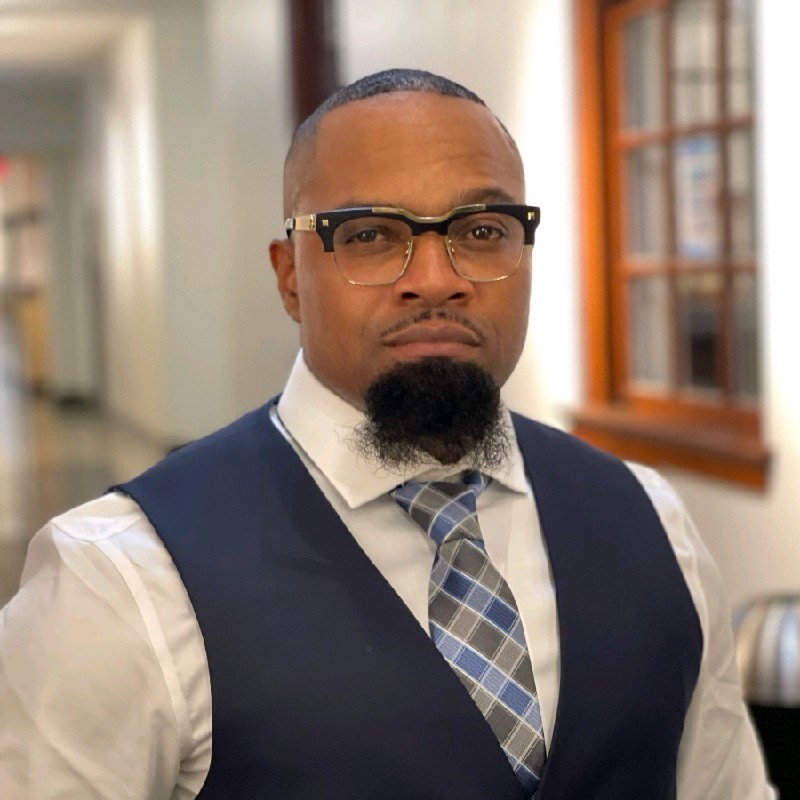
About Martize Tolbert
Martize Tolbert is the National Director of Client and Community Engagement at the Fountain Fund, the nation’s most unique bank. Headquartered in Charlottesville, VA, the Fountain Fund makes loans to people who are formerly incarcerated to empower their reentry. Martize founded the One Stop Shop, a regular event gathering dozens of service providers in one location to support returning citizens. He regularly reminds everyone, “Community work is the best work!”